


Dress For Success
Youth Dress Code
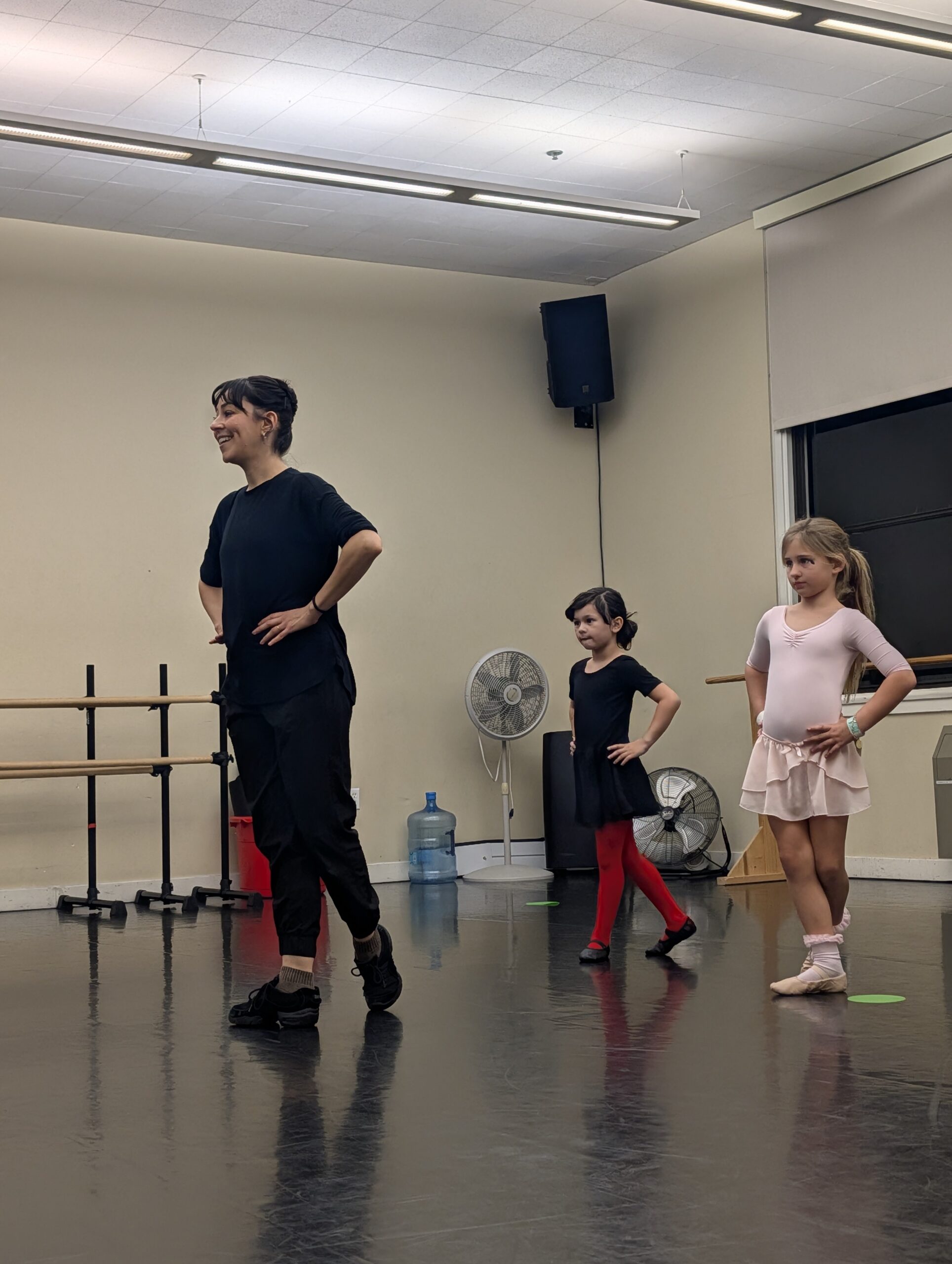
The dress codes for our dance classes ensure safety, promote technique and alignment, cultivate discipline and responsibility, and enhances the learning environment for everyone. It creates an environment where dancers can fully engage in their training, learn effectively, and develop their skills to their fullest potential.
Dress Code By Style
Ballet
Required Footwear:
Ballet Shoes: Pink or Skin Tone
Mix & Match from the following options:
Preferred: Leotard
Tights: Pink, Black, or Skin Tone
Fitted T-Shirt/Tank
Ballet Skirt
Accommodation Options:
Leggings/Capris/Bike Shorts
Above the Knee Athletic Shorts
Contemporary Modern
Suggested Footwear:
Barefoot
Socks
Mix & Match from the following options:
Fitted T-Shirt/Tank
Leotard
Leggings/Capris
Joggers
Jazz
Required Footwear:
Jazz Shoes: Black
Mix & Match from the following options:
Leotard
Tights: Pink, Black, or Skin Tone
Fitted T-Shirt/Tank
Leggings/Capris/Bike shorts
Joggers
Above the Knee athletic shorts
Creative Dance/Dance & Play
Any clothing your dancer can move easily in. Please no denim.
Dancers will be barefoot.
Suggested Mix & Match list:
Leotard
Tights: Pink, Black, or Skin Tone
Fitted T-Shirt/Tank
Leggings/Capris/Bike Shorts
Ballet Skirt
Above the Knee Athletic Shorts
Hip Hop
Required Footwear:
Clean sneakers with non-marking soles
Mix & Match from the following options:
T-Shirt/Tank
Leggings/Capris/Bike Shorts
Joggers/Sweatpants
In All Classes:
Each piece of attire should be one solid color or lightly heathered and plain with no pictures or words. (Malashock Dance Gear Allowed)
Hair should be held out of a dancers face in a manner that will stay and does not distract the dancer during class. (ponytail, bun, headband, etc)
Large, Dangly, or Loose Jewelry should not be worn to dance class. Small stud earrings are allowed
Denim of any length and Jeggings are not acceptable attire for dance class
Why Does Dress Code Matter?
Dance requires precise movements, body alignment, and control. In class, form-fitting attire allows instructors to see the alignment of the body, such as the placement of the hips, shoulders, and feet so they can provide accurate and helpful feedback for the dancer.
Adhering to a dress code helps dancers learn to responsibility, accountability, and respect for rules and expectations. When everyone is dressed similarly, it allows the instructors and other students to focus on the movement rather than being distracted by mismatched or inappropriate attire. It also helps create a focused and unified environment where dancers can fully immerse themselves in the learning process.
Wearing appropriate dance attire ensures that dancers can move freely without any restrictions or hazards. Loose or baggy clothing can get tangled or caught, leading to accidents or injuries. Proper attire also includes the right footwear, such as ballet shoes, jazz shoes, or bloch sox which provide the necessary support and grip for different dance styles.
We have tried to create a dress code that is not gender specific and that offers options to those with specific sensory needs or aversions so that all students can feel safe and welcome in class. If your dancer needs an accommodation or if you have suggestions, feedback, or questions please reach out to our Operations Director.
Phone
(619) 260-1622
Address
2650 Truxtun Rd, Suite 104, San Diego, CA 92106